When you don’t have much experience in video editing, making Facebook video ads can seem like a daunting task. It’s important to carefully mesh visuals, messaging, timing, branding, and platform requirements. AI-powered tools can streamline the process of creating and editing videos, visual content, and promotional materials. Pippit offers a complete creative workflow to efficiently create professional marketing materials. Its tools enable beginners to turn an idea into an ad that’s ready to export.
What Makes a Facebook Ad Engaging?
Facebook ads are surrounded by endless scrolling, and attention has to be grabbed fast. The initial image should clearly convey the product, offer, or advertisement. Keeping the message succinct allows viewers to see the value without having to process anything that isn’t necessary. The message should be supported by relevant visuals and not be overwhelmed by them. Readable text is important, particularly for video viewers who are using a smaller screen on a mobile device. If your idea lends itself to adding a cinematic element, an AI movie style can be helpful.
Start With a Simple Facebook Ad Concept
Start with the product or service, offer, or campaign goal. Next, choose one message that needs to be emphasized the most. Have product pictures, product videos, logos, product information, and other supporting materials ready. With a clear creative direction, there will be no unnecessary revisions during the production process. Determine the tone of the ad: energetic, high quality, informative, fun, or emotional. The visual style must be consistent with the product and target audience. A story studio method can be used to arrange scenes for a basic promotional story. Think about using subtitles, voiceovers, music, and/or text overlays to enhance communication.
Use Pippit to Generate the Initial Advertisement
With AI-driven ad creation and user-friendly editing tools, Pippit makes creating ads easy. Beginners can write the product, desired images, message, and style of advertising within a prompt. Pippit can, in turn, assist in the development of scripts, scene structure, transitions, pacing, captions, music, and effects. Users can also start with customizable templates when they are ready for creative structures. Customization of templates is a practical option for those who don’t know much about editing. Pippit also offers product-link inputs and uploaded product visuals for promotional creation. Content generated should not be an answer but the starting point for editing.
Steps to Create Engaging Facebook Ads Without Experience Using Ad Maker
Step 1: Start your Facebook ad project
- Sign up for Ad Maker using your Google, TikTok, or Facebook account info.
- Go to the “More” tab on the left vertical menu bar and click it to open “Video generator”.
- Choose an AI model, such as Dreamina Seedance 1.0, Dreamina Seedance 2.0, Dreamina Seedance 2.0 Fast, Dreamina Seedance 2.0 Mini, or Dreamina Seedance 2.5.
- Enter a detailed text prompt describing the Facebook ad you want. Include product details, camera angles, messaging, and the text you want to display.
- Select the video length, language, subtitles, and aspect ratio for the Facebook ad.
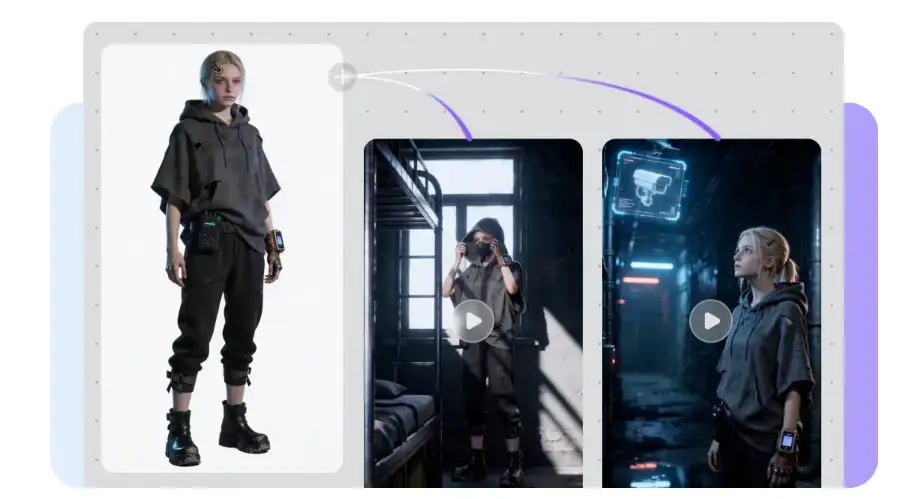
- Click “+” to upload reference images or videos from your device, phone, Dropbox, or a link. You can also choose assets if you do not have reference media.
- After adding the required details, click “Generate”.
Step 2: Let AI create the Facebook ad
- Once you click “Generate”, Ad Maker’s AI video generator automatically builds the ad from your text prompt and reference media.
- The AI handles transitions, pacing, captions, avatars, voice, lyrics, and visual enhancements.
- You will receive a video ad draft that you can review before publishing.
Step 3: Make simple improvements and publish
- Click the “Download” tab in the top-right corner if you want to save the ad as it is. If the result does not meet your needs, click “Regenerate”.
- Click “Edit more” under the video to open the Ad Maker editing interface and make further changes.
- Edit captions manually. You can also add text and adjust its size, color, alignment, filters, and effects.
- Add background music, remove backgrounds, and fine-tune the visuals to improve the Facebook ad.
- When the video ad is ready, click “Export” in the top right corner.
- Select “Publish” to post directly to TikTok, Instagram, or Facebook. Or choose “Download” to save it with your preferred format, resolution, frame rate, and quality.
Customize the Ad Without Advanced Editing Knowledge
Once created, Pippit allows novice users to pick up on necessary details with an easy-to-use editing tool. Modify captions and enhance visuals using the ad maker workflow. The text produced should be carefully reviewed since there may be errors in the wording of the text generated. Change the size, colour, alignment, spacing, and positioning of text for effective communication. The filters and effects can alter the visual mood without the need for complex editing techniques. Background modifications can likewise keep the product noticeable in each scene. If audio can be added to the advertisement to enhance the effect, include appropriate background music. Selectively used voiceovers and other creative elements can enhance explanations. Select Edit more if the result generated requires more customization. Ensure all changes relate to the main message and promotional objective of the ad.
Improve the Ad for Facebook Feed Viewing
When advertising on Facebook, it’s important to consider the mobile environment first. Provide adequate contrast for text to be legible against complex backgrounds. Maintain adequate size of typography without obscuring critical product information. Important scenes should highlight the main product/service or offer. Do not add any unnecessary effects that interfere with important information or branding. Captions need to convey key information without the need for viewers to turn on the sound. Viewers can be guided to make purchases, visits, sign-ups, or look for more information with short calls to action. Align the call to action with the particular objective of the campaign. Select the right aspect ratio for the desired Facebook application. Pippit offers a number of aspect ratios to provide creative versions for various social placements.
Review, Regenerate, and Export the Finished Ad
Before publishing, go through the entire draft to look for creative, technical, and branding issues. Review product accuracy, captions, music, voiceovers, transitions, logos, and composition. If it doesn’t fit the bill, use the Regenerate feature to generate a new version. If further changes are still required, then go back to the editing interface via Edit more. Once approved, choose Download or Export as per the workflow. Pippit’s export options can include quality, resolution, frame rate, and format selections. Depending on the platform plan and workflow, different export options might be available.
Beginner Mistakes to Avoid in Facebook Ad Creation
When creating short promotional videos with Pippit, be sure to watch out for these common pitfalls:
- Too many benefits: Make sure to highlight one clear benefit for the customer in each ad.
- Distracting effects: Use effects only if they enhance the message or product.
- Unreviewed text: Carefully review generated caption, claims, prices, and promotion details.
- Wrong aspect ratio: Make sure all creative is aligned with the Facebook placement.
- Incomplete final checks: Check audio, captions, branding, timing, and visual composition before publishing.
- Weak calls to action: Make it clear to viewers what to do next and ensure it is aligned with campaign intent.
Conclusion
Creative tools powered by AI lower the technical hurdles associated with creating Facebook ads. But good results can only come from good messaging and focused creative direction. Pippit gathers generation, customization, and export in a streamlined production workflow. Promotional videos can be created by beginners, who don’t have to learn complex professional video editing software. Thoughtful prompts can also help automated tools provide better direction when generating initial content. By reviewing carefully, it can be ensured that the material generated is in line with the representation of products, offers, and brand standards.