🌐 Creator Platforms · 2026
🌐 What Is Pixelspinx.com? An Honest 2026 Look at the Creator Platform
Pixelspinx.com is an emerging creator-focused publishing site built around long-form, evergreen content rather than fast-scrolling social posts. It’s still young, its ownership isn’t widely documented, and that mix of promise and open questions is exactly why people are asking about it. Here’s a clear, hype-free breakdown of what it is, how it works, and how to decide if it fits you.
QUICK ANSWER What is Pixelspinx.com?
Pixelspinx.com is a digital publishing platform aimed at independent creators — writers, designers, educators, and small businesses — who want a central home for original, long-form content instead of relying only on social feeds. Based on publicly available information, it leans toward structured, evergreen publishing and creator branding rather than viral short-form posts. It’s a newer name, so it doesn’t yet carry the track record or public transparency of established players like Substack or Patreon.
Pixelspinx.com at a Glance
| Aspect | What we can say (as of writing) |
|---|---|
| What it is | A creator-focused publishing / content platform |
| Best for | Long-form articles, tutorials, portfolios, evergreen resources |
| Content style | Structured, lasting content over fast social posts |
| Ownership | Not widely documented publicly |
| Maturity | Emerging — smaller built-in audience than Substack/Patreon |
| Security basics | Runs over HTTPS with a valid SSL certificate (reported) |
| Cost | Not clearly published; verify current pricing on the official site |
Treat that table as a starting map, not gospel. A few of these points come from third-party write-ups rather than detailed official documentation, which is one of the honest limitations worth keeping in mind.
What Pixelspinx.com Is Trying to Do
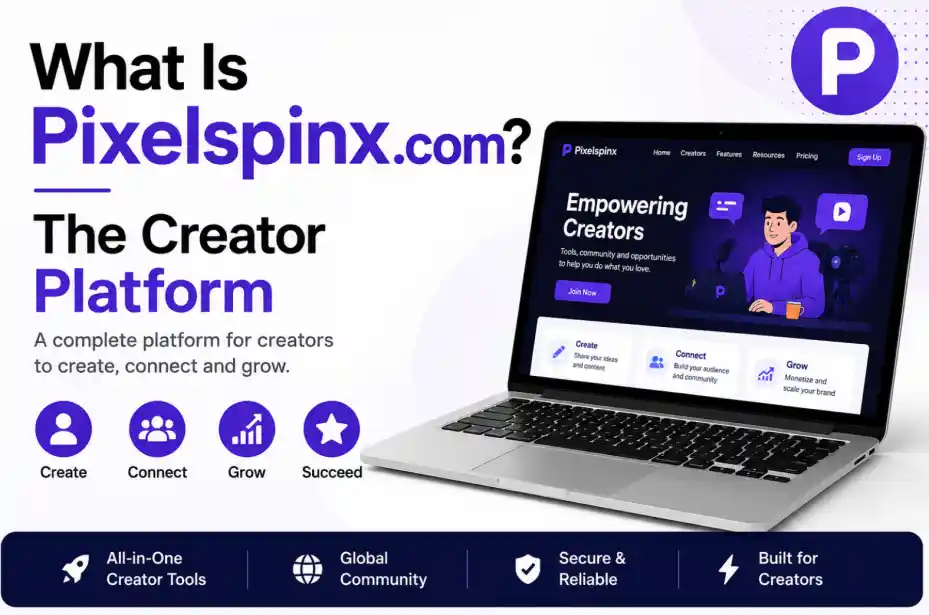
The core idea is creator ownership. Instead of pouring work into a social feed that disappears in a day and belongs to someone else’s algorithm, creators publish content they control on a profile that’s meant to last. That’s the same shift that pushed writers toward newsletters and independent blogs over the past few years.
The platform appears designed around evergreen value — articles, guides, and portfolios that keep pulling in readers months after they go live. A good how-to guide can earn search traffic for years. A tweet is usually forgotten by dinner. Pixelspinx.com is pitched at the first kind of work.
The other theme is branding. On most social networks your identity sits below the algorithm; here the creator’s name, niche, and body of work are meant to be the main event. For someone building a personal brand, that framing matters.
What You Can Publish There
Written content looks like the strongest fit. Detailed guides, industry breakdowns, opinion pieces, reviews, and educational resources all suit a long-form platform, and they’re the kind of pages search engines reward over time.
Visual creators can use it too. A designer, photographer, or illustrator can build a portfolio of projects and case studies alongside written context that explains the work — which is often what turns a browser into a client.
It also fits knowledge creators: tutorials, niche research, business resources, and instructional series. If you can teach something specific and useful, a structured library beats scattered posts. The common thread is depth. Thin, repetitive pages don’t do well here or anywhere else.
Who’s Behind Pixelspinx.com?
Honestly? That’s one of the open questions. Detailed information about the company, founders, or team isn’t widely published, which is common for young platforms still finding their footing but also a reason to stay cautious.
Limited transparency doesn’t automatically mean something’s wrong — plenty of products launch quietly and fill in their public story later. But it does mean you should read the terms of service, privacy policy, and any official announcements before you build anything important on it. Due diligence is just good sense with any platform you don’t fully know yet.
How Pixelspinx.com Works
The workflow follows a pattern most creators already recognize: sign up, build a profile, publish, and grow a library over time.
Account creation and setup
Expect the usual: register with standard details, verify an email, then personalize your profile with an image, a short bio, links, and consistent branding. A complete, professional profile does real work — it tells a first-time visitor who you are and why your take is worth reading. Spend a little time here before you publish anything.
Publishing your content
Publishing starts with writing something genuinely useful, then structuring it well: a clear title, logical headings, readable formatting, and relevant images. Clean structure keeps readers on the page longer and helps search engines understand what the piece is about. One strong article beats five rushed ones.
Getting discovered
Publishing is only half the job. Discovery depends on content quality, search visibility, and promotion. Creators who share their work through newsletters, communities, and social channels almost always reach more people than those who wait for the platform to do it for them — especially on a newer site with a smaller built-in audience.
What Makes It Different
The pitch is a calmer, cleaner creator space. Where big social networks are built to maximize scrolling, Pixelspinx.com appears designed around intentional content and quieter navigation — a workspace rather than a feed. For people tired of chasing daily engagement, that’s the appeal.
Creator branding coming first is the other differentiator. Your name and your catalog are meant to be front and center, which suits anyone building long-term authority in a niche rather than farming quick likes.
Monetization: What’s Known
This is where honesty matters most, because specifics aren’t clearly documented publicly. Creator platforms in this category typically offer some mix of the following — but you should confirm what Pixelspinx.com actually supports before planning around it:
- Ad or traffic-based income — earning from the readers your evergreen content attracts.
- Premium or gated content — charging for deeper resources, guides, or downloads.
- Digital products — selling templates, courses, or files to your audience.
- Audience-driven support — tips, memberships, or subscriptions, in the spirit of Patreon-style models.
Why Long-Form Publishing Still Pays Off
The platform’s bet on long-form isn’t nostalgia — it reflects how search still works. Detailed, genuinely useful pages tend to rank and keep earning visits long after publishing, while short social posts spike and vanish. A single strong guide can quietly bring in readers for years.
Long-form also builds trust faster. When you fully answer a reader’s question — with examples, steps, and honest trade-offs — you look like someone who actually knows the subject. That’s what turns a one-time visitor into a subscriber, and eventually a customer.
Interface and Experience
Reported impressions describe a clean, uncluttered interface aimed at making publishing straightforward, with mobile access for reading and lighter editing. Treat that as a general expectation rather than a promise — interfaces change, and first-hand testing beats any review, including this one. If you can, create a free profile and publish one test piece before committing your best work.
For beginners, the learning curve looks moderate. If you’ve used any blog or newsletter tool, you’ll likely find your way around; if you’re brand new to publishing, budget an afternoon to get comfortable.
Who Should Consider Pixelspinx.com?
It’s not for everyone, and that’s fine. Here’s where it makes the most sense.
Independent creators
If you want a home base you control — not just a rented spot in someone’s feed — a creator-owned publishing site fits the goal.
Bloggers and niche publishers
Writers building authority in a specific topic benefit from a structured library that compounds over time.
Designers and visual creators
A portfolio with written context — the story behind each project — helps convert viewers into clients better than images alone.
Educators and knowledge creators
Tutorials and instructional series work well in a lasting, searchable format that students can return to.
Who should probably skip it, at least for now? Anyone who needs a large built-in audience immediately, or who isn’t ready to promote their own work. A newer platform rewards creators who bring some of their own traffic.
The SEO Angle — and a Few Real Tips
Any platform that favors long-form, evergreen content has search potential, but the platform is only half the equation. Your content and habits do the heavy lifting. A few things that genuinely help, wherever you publish:
- Answer a real question fully. Pick topics people actually search, then answer them better than the current top results.
- Structure for skimming. Clear headings, short paragraphs, and lists keep readers and help search engines parse your page.
- Publish consistently. A steady rhythm — even one solid piece a week — beats sporadic bursts.
- Earn links and shares. Promote each piece so it picks up references; that’s still a major trust signal.
- Update your best work. Refreshing a strong guide keeps it competitive far longer than letting it age.
One caveat worth naming: publishing on a newer domain usually means slower initial visibility, because search engines lean on a site’s established trust. Expect a ramp, not an overnight spike.
Is Pixelspinx.com Safe and Legit?
On the basics, the signals reported so far are reassuring: the site runs over HTTPS with a valid SSL certificate, so data in transit is encrypted, and there are no widely reported malware or phishing issues. As a place to read and publish general content, it appears to function as a legitimate site rather than a scam.
The honest caveats: it’s new, external reviews are thin, and public transparency about who runs it is limited. That doesn’t make it dangerous — it makes it unproven. The sensible stance is “cautiously open.” Use it, but don’t hand over anything you can’t afford to lose, and keep your most important content backed up elsewhere.
How to Vet Any New Creator Platform
This is worth more than any single review, because it works on the next unknown platform too. Before you invest real effort, run through this quick checklist:
- Find the humans. Look for a real about page, named team, or company details. Total anonymity is a yellow flag.
- Read the exit terms. Can you export your content and audience if you leave? Lock-in is the biggest hidden risk of any platform.
- Check who owns your work. The terms should make clear that you keep rights to what you publish.
- Test small first. Publish one piece, watch how it performs and how support responds, before moving your whole catalog.
- Search for independent reviews. Be skeptical of pages that all sound identical — that’s often coordinated promotion, not real feedback.
- Never depend on one platform. Keep an email list and a backup of your content that you fully control.
The Real Drawbacks
A smaller built-in audience. Unlike a giant network, a newer platform won’t hand you readers. You’ll need to bring your own, especially early on.
A crowded creator market. Substack, Medium, Patreon, personal blogs — the competition for creator attention is fierce, and a new name has to earn its place.
Platform dependency. Building entirely on any third-party site is a risk. If it changes rules, pricing, or shuts down, your work and audience can be affected. An email list you own is your insurance policy.
Limited public track record. With less history and transparency, you’re taking more on faith than you would with an established name. That’s the trade-off for getting in early.
Pixelspinx.com vs Patreon vs Substack
These aren’t identical products, so think of this as a concept comparison rather than a strict spec-for-spec match.
| Platform | Core strength | Best for | Maturity |
|---|---|---|---|
| Pixelspinx.com | Long-form, evergreen creator publishing (as pitched) | Articles, portfolios, searchable resources | Emerging — smaller reach, less public info |
| Substack | Email newsletters + paid subscriptions | Writers building a subscriber base | Established, large audience |
| Patreon | Membership and recurring fan support | Creators with an existing audience to monetize | Established, mature payments |
The practical read: Substack shines if your growth engine is email, Patreon if you already have fans ready to pay, and a platform like Pixelspinx.com aims at creators who want a searchable, evergreen home base — with the trade-off that it’s newer and less proven.
Why It’s Getting Attention in 2026
Two things are driving the curiosity. First, more creators want to own their work as trust in algorithm-driven feeds keeps slipping. Second, a wave of write-ups has put the name in front of people searching for the next creator tool. Attention isn’t the same as a track record, though — interest is a reason to look, not a reason to commit.
Frequently Asked Questions
What is Pixelspinx.com in simple terms?
Is Pixelspinx.com free to use?
Is Pixelspinx.com safe and legit?
Who owns or runs Pixelspinx.com?
How does Pixelspinx.com compare to Substack or Patreon?
Can you make money on Pixelspinx.com?
Should I move my whole blog to Pixelspinx.com?
Key Takeaways
- Pixelspinx.com is an emerging creator platform built around long-form, evergreen publishing and creator branding.
- It suits writers, designers, educators, and niche publishers who want a home base they control.
- Public information — ownership, pricing, exact features — is limited, so verify details before committing.
- Security basics (HTTPS/SSL) look fine; it reads as legitimate but unproven, so use standard caution.
- Expect to bring your own promotion; a newer platform won’t hand you an audience.
- Never rely on a single platform — keep backups and an email list you own.
The Bottom Line
Pixelspinx.com is an interesting early entry in the creator-platform space, built for people who value lasting, searchable content over disappearing posts. The upside is ownership and a calmer publishing experience; the catch is that it’s new, lightly documented, and unproven. If the idea fits your goals, test it in a small way, keep your own backups, and don’t bet your whole presence on any single platform. Curiosity is fair — just pair it with a little caution.